
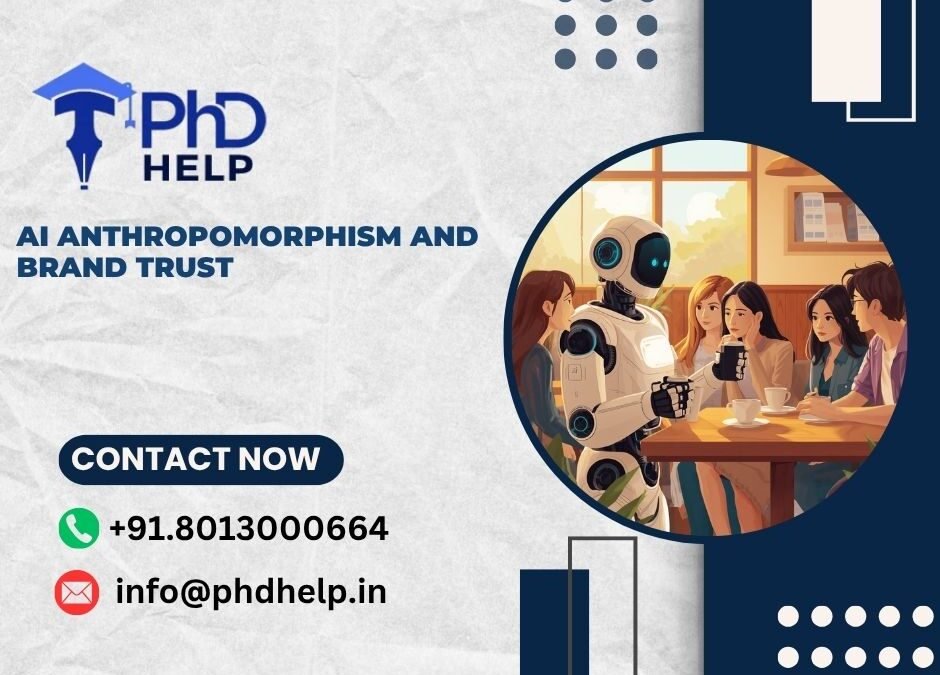
AI Anthropomorphism and Brand Trust
AI Anthropomorphism and Brand Trust. When a corporate public relations crisis hits, companies must deploy every available tool to protect their reputation. Today, many organizations use GenAI brand representatives to manage customer relations. However, the level of human-like traits embedded in these digital agents drastically shapes how the public responds during a scandal.
The Double-Edged Sword of Human Traits
Giving digital agents realistic personas can backfire or succeed depending on the severity of the corporate blunder. High levels of AI anthropomorphism and brand trust share a fragile connection when things go wrong. If consumers perceive an AI agent as highly empathetic and conscious, they initially form a tighter emotional bond. Yet, that very human likeness amplifies public outrage if the brand violates ethical boundaries.
The Uncanny Valley of Corporate Apologies
When an automated assistant delivers a crisis response, consumers evaluate its structural features. Highly human-like avatars often trigger skepticism, pushing users into the “uncanny valley.”
- Hyper-realistic avatars face harsher scrutiny during ethical failures.
- Basic text-based interfaces preserve an analytical distance, reducing emotional backlash.
Consequently, companies must carefully balance visual realism against the need for transparent communication.
The Role of Intentionality in Consumer Blame
Psychological research shows that people attribute motives to human-like entities. When an anthropomorphized GenAI representative addresses a failure, consumers naturally judge its perceived intent. If the audience believes the digital character possesses a mind of its own, they assign higher accountability to the brand. This psychological shift complicates how companies restore consumer forgiveness during critical situations.
Rebuilding Consumer Forgiveness Post-Crisis
Achieving genuine consumer forgiveness requires a strategic alignment of tech design and message tone. If a brand deploys a deeply humanized AI, the apology must sound profoundly vulnerable and accountable. Conversely, if the representative remains purely functional, the response should focus on data-driven solutions and technical fixes to stabilize AI anthropomorphism and brand trust.
Strategic Takeaways for Modern PR Leaders
Corporate communications teams cannot treat AI avatars as mere neutral software. To safeguard organizational reputation, leaders should consider these core insights:
- Deploy functional, low-anthropomorphism interfaces for technical glitches.
- Reserve highly expressive, humanized characters for relationship-driven recovery campaigns.
Ultimately, finding the sweet spot in AI anthropomorphism and brand trust determines whether a brand survives a public relations nightmare or sinks under the weight of consumer backlash.
Thank you for read our blog “AI Anthropomorphism and Brand Trust”
Also read our more BLOG here
For Phd Help Contact: +91.8013000664 || info@phdhelp.in